iSolve: Limitations, Risks, and Realistic Expectations of Structured Digital Systems
 lmrcslittle@gmail.com
Introduction
Search interest in isolve often comes from users who already understand the benefits of structured digital workflows. However, experienced decision-makers also ask an important question: what are the limitations?
No system is without trade-offs. Understanding potential risks and constraints is essential for making informed decisions and avoiding unrealistic expectations.
Why Discussing Limitations Is Important
Highly promotional content tends to overlook downsides, which reduces trust and credibility. In contrast, realistic evaluations help organizations:
- Set proper expectations
- Avoid misalignment between tools and processes
- Reduce implementation friction
- Build sustainable operational systems
This is why balanced discussions around isolve are increasingly valuable.
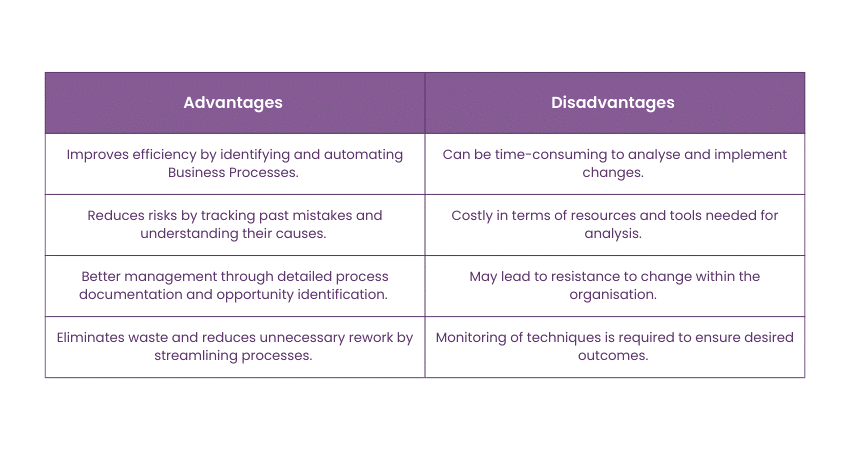
Common Limitations of Structured Systems
Initial Setup Effort
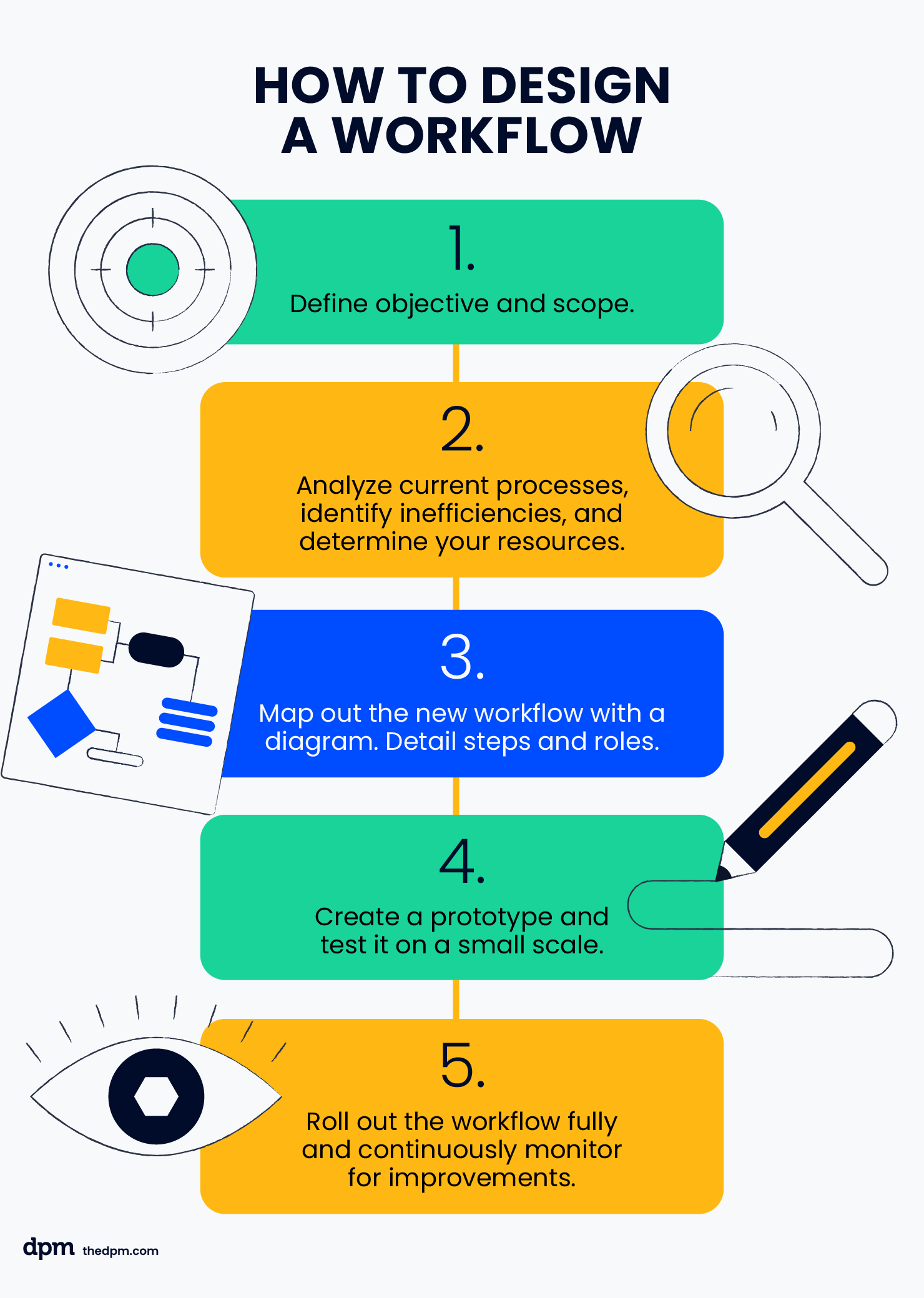
Structured workflows require upfront planning. Without proper design, systems may feel restrictive rather than helpful.
Learning Curve
Teams accustomed to informal processes may need time to adapt to structured environments.
Over-Standardization Risk
Excessive rigidity can reduce responsiveness if workflows are not designed with flexibility in mind.
Dependency on Process Quality
A system only performs as well as the processes defined within it.

Operational Risks to Be Aware Of
While iSolve-style systems aim to reduce risk, poor implementation can introduce new challenges:
- Misaligned workflows that don’t reflect real work
- Resistance from teams if structure feels imposed
- Overreliance on automation without human oversight
- Metrics that measure activity instead of outcomes
These risks are not inherent to structure itself, but to how it is applied.
iSolve and Flexibility: A Common Concern
One frequent misconception is that structured systems eliminate flexibility. In practice:
- Well-designed workflows support controlled change
- Flexibility exists within defined boundaries
- Adaptation becomes intentional, not reactive
Problems arise only when systems are treated as static rather than evolving.
When iSolve May Not Be the Right Fit
Structured approaches are not ideal in every situation. They may be less effective when:
- Processes change daily without patterns
- Work is purely exploratory or creative
- Teams are extremely small and informal
- There is no commitment to process discipline
In such cases, lightweight coordination may be more appropriate.
Setting Realistic Expectations
Organizations exploring isolve should expect:
- Gradual improvements, not instant transformation
- Reduced chaos, not total elimination of effort
- Better visibility, not perfect predictability
- Ongoing refinement, not one-time setup
Success depends more on mindset than on tools.
Long-Term Perspective on Structured Systems
The true value of iSolve-oriented systems appears over time. Benefits accumulate as workflows mature, teams adapt, and metrics become meaningful. Short-term discomfort often leads to long-term operational clarity.
Conclusion
Understanding the limitations and risks associated with isolve helps organizations approach structured systems with clarity and confidence. When applied thoughtfully, structure becomes an enabler rather than a constraint.
Balanced expectations, continuous improvement, and human oversight remain the key factors in making any structured digital system effective.