iSolve Explained: How Structured Digital Systems Improve Everyday Operations
 lmrcslittle@gmail.com
Overview
As organizations continue to digitize internal processes, search interest in terms like isolve has steadily increased. This usually signals a demand for solutions that bring structure, predictability, and clarity into daily operations without unnecessary complexity.
Rather than representing a single rigid product, iSolve is often associated with a class of digital systems focused on solving operational inefficiencies.
Understanding the iSolve Concept
The idea behind iSolve centers on simplifying how work is organized and executed. These systems are typically designed to help teams:
- Coordinate tasks more effectively
- Maintain consistent workflows
- Reduce dependency on manual tracking
- Improve visibility into ongoing processes
Instead of reacting to problems, organizations using structured systems aim to prevent them through better design.
Core Functional Principles
Although implementations may differ, iSolve-style platforms usually share common principles.
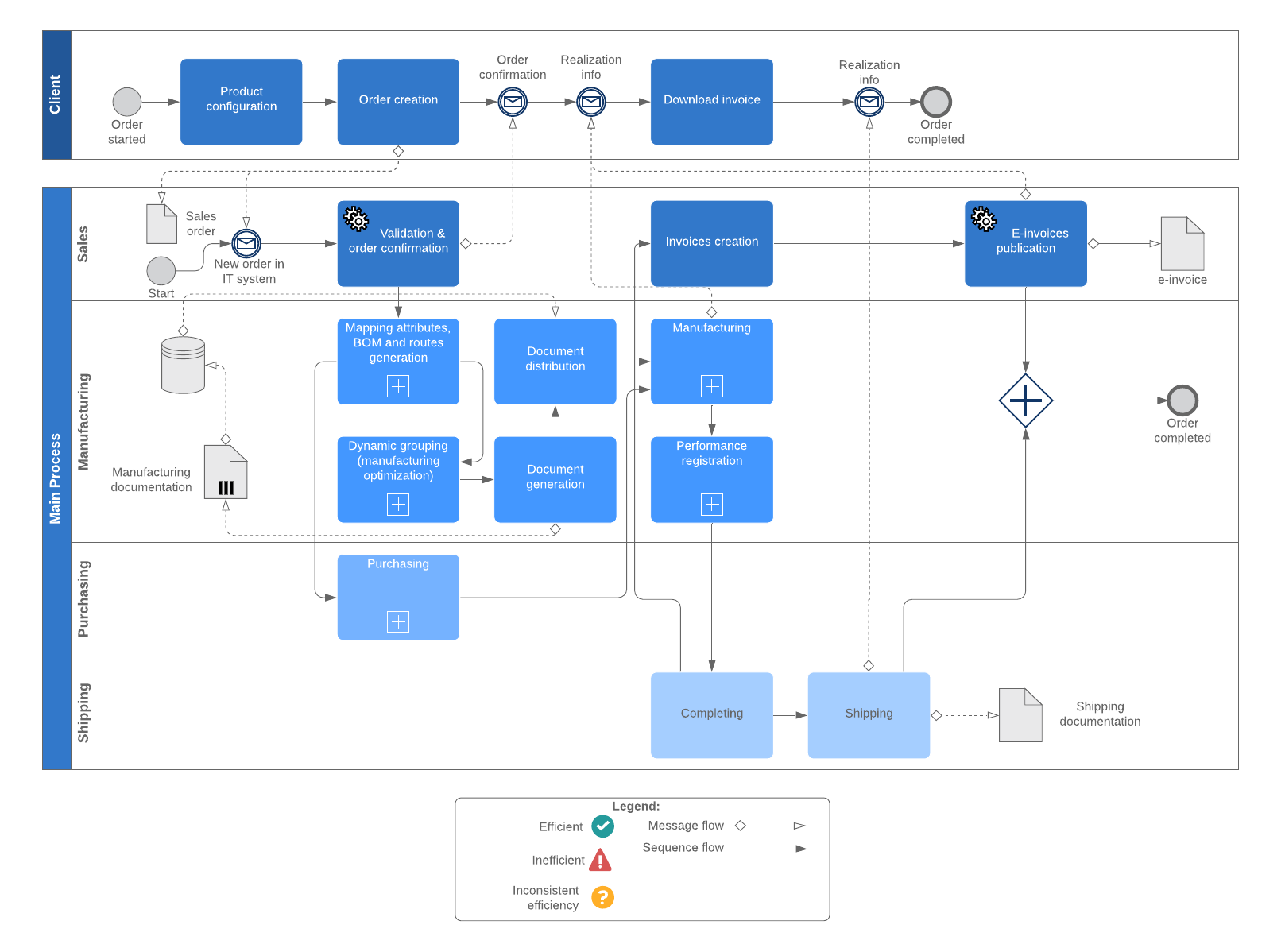
Structured Workflow Logic
Tasks follow predefined paths, reducing uncertainty and errors.
Centralized Information
Key operational data is stored in one place, minimizing fragmentation.
Adaptive Configuration
Workflows can be adjusted as organizational needs evolve.
Reduced Cognitive Load
Clear systems allow teams to focus on execution rather than navigation.

Practical Use Cases
People searching for isolve often evaluate it in practical, real-world contexts:
- Organizing internal operational processes
- Managing distributed or hybrid teams
- Aligning multiple departments under shared workflows
- Improving accountability and traceability
These use cases highlight why structured systems remain relevant across industries.
iSolve vs. Unstructured Processes
Unstructured workflows rely heavily on individual knowledge and manual coordination. Over time, this leads to:
- Bottlenecks
- Miscommunication
- Data inconsistency
- Reduced scalability
iSolve-based approaches address these issues by introducing repeatable, transparent processes that function independently of individual contributors.
Is iSolve a Long-Term Solution?
For many organizations, the value of iSolve lies in its sustainability. Well-designed systems:
- Scale with organizational growth
- Reduce onboarding time for new team members
- Support compliance and internal standards
- Encourage operational discipline
This makes them suitable not only for short-term improvements but also for long-term operational stability.
Frequently Asked Questions
Does iSolve require technical expertise?
Most modern systems prioritize usability and require minimal technical knowledge for everyday use.
Can iSolve adapt to different business models?
Yes. Flexibility is one of the defining characteristics of structured workflow platforms.
Is iSolve only for large organizations?
No. Smaller teams often benefit even more from early process organization.
Conclusion
The continued interest in isolve reflects a broader trend: organizations are prioritizing clarity over complexity. Structured digital systems help teams work smarter, not harder, by reducing friction and supporting consistent execution.
For businesses seeking operational maturity without unnecessary overhead, iSolve-style approaches remain a practical and future-ready choice.