iSolve and Process Stability: How Structured Systems Reduce Daily Operational Friction
 lmrcslittle@gmail.com
Introduction
Many organizations struggle not because of a lack of talent or tools, but due to unstable internal processes. When workflows change constantly or depend on informal knowledge, efficiency drops quickly. This is one of the main reasons users search for isolve — they are looking for ways to stabilize how work gets done.
Rather than focusing on speed alone, structured systems prioritize reliability and predictability.
The Cost of Unstable Workflows
Unstable processes often lead to hidden operational costs, including:
- Repeated clarifications and rework
- Delays caused by missing information
- Inconsistent outcomes across teams
- Difficulty onboarding new employees
Over time, these issues compound and make growth harder to manage.
How iSolve-Oriented Systems Improve Stability
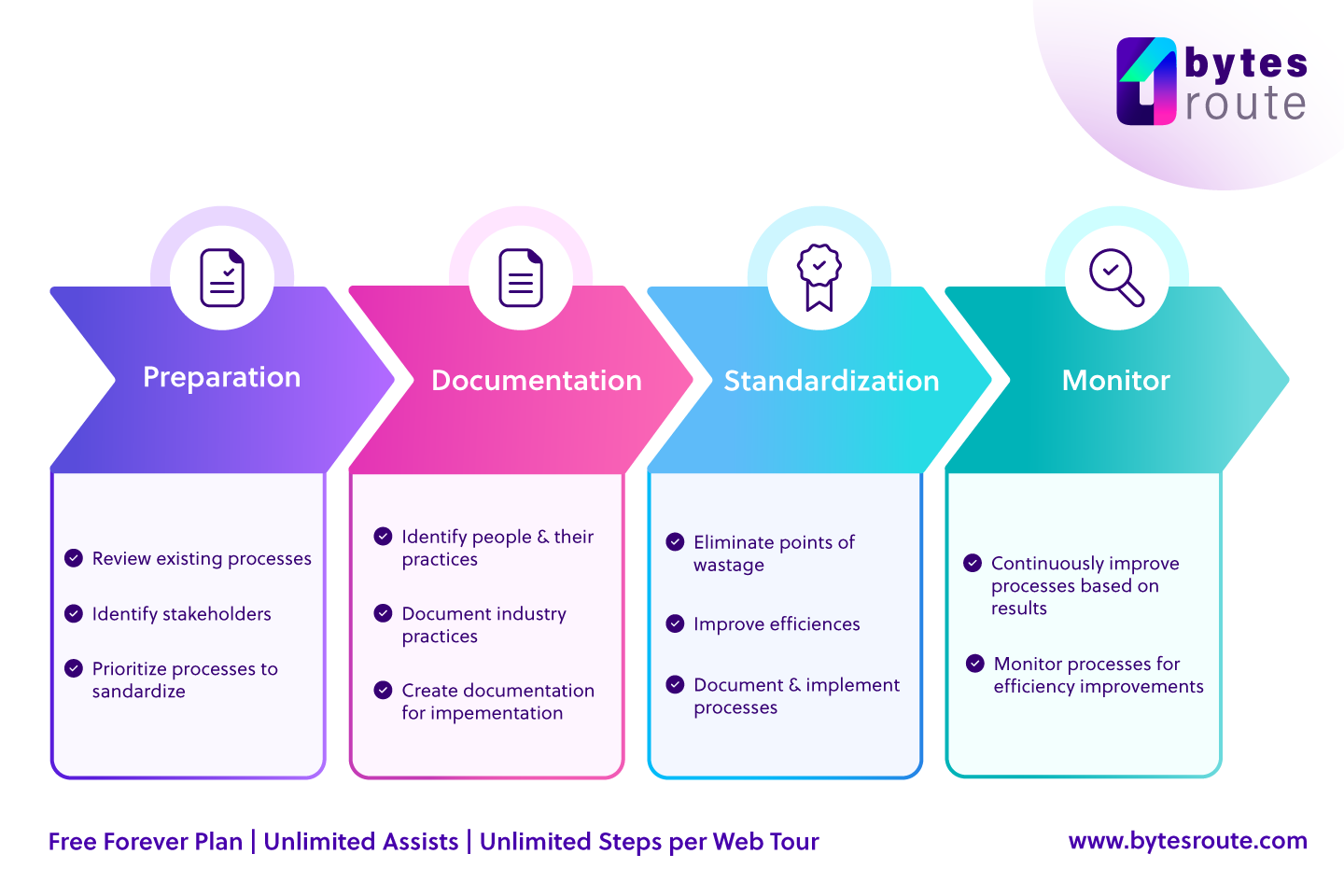
iSolve-style approaches focus on designing workflows that behave consistently under normal conditions and scale predictably under pressure.
Defined Process Paths
Clear sequences reduce guesswork and variation in execution.
Standardized Inputs
Consistent data entry improves downstream accuracy.
Transparent Status Tracking
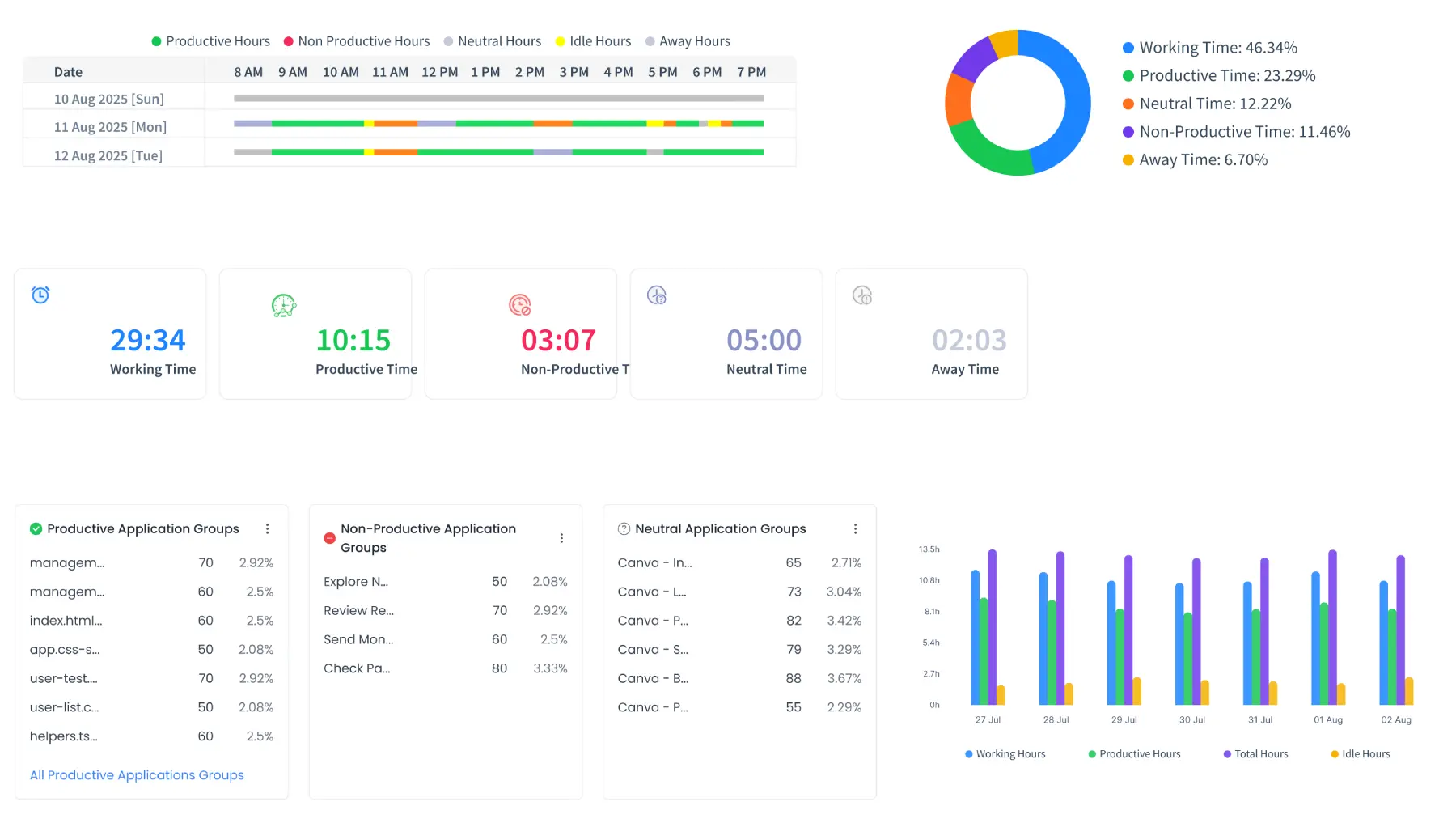
Teams can see progress without constant updates.
Controlled Adjustments
Changes are intentional and documented, not improvised.
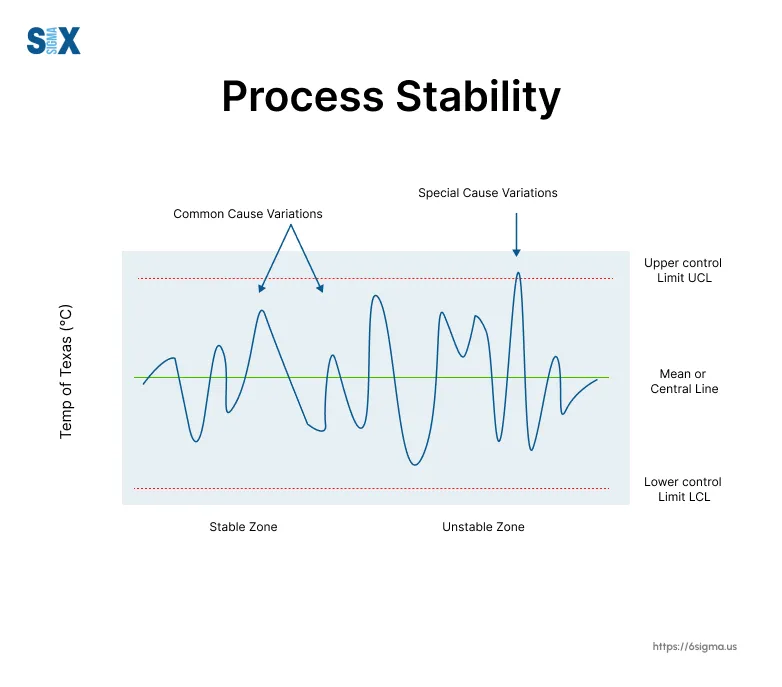
Why Stability Matters More Than Speed
Fast execution without structure often leads to errors. Stable systems, on the other hand:
- Reduce corrective work
- Improve trust between teams
- Make performance measurable
- Support long-term planning
This is why many professionals researching isolve prioritize consistency over short-term acceleration.
iSolve and Knowledge Retention
One overlooked benefit of structured systems is knowledge retention. When workflows are documented and centralized:
- Critical knowledge stays within the organization
- Dependency on individual memory is reduced
- Transitions and handovers become smoother
This is especially important in environments with staff rotation or distributed teams.
Common Scenarios Where iSolve Principles Apply
Interest in isolve often comes from teams dealing with:
- Rapid growth
- Process fragmentation
- Remote collaboration challenges
- Increased compliance or documentation requirements
In these cases, structure acts as a stabilizing force rather than a constraint.
Avoiding Over-Engineering
While structure is valuable, balance is essential. Effective iSolve-oriented systems:
- Focus on core workflows first
- Avoid unnecessary complexity
- Evolve based on real usage
- Remain understandable to non-technical users
The goal is clarity, not rigidity.
Conclusion
Search interest in isolve reflects a practical need for stable, dependable digital workflows. By reducing friction, preserving knowledge, and standardizing execution, structured systems help organizations operate with confidence — even as complexity increases.
Rather than chasing constant optimization, many teams discover that stability itself becomes a competitive advantage.