How iSolve Works: A Conceptual Look at Structured Digital Operations
 lmrcslittle@gmail.com
Introduction
When people search for isolve, they often want more than a definition. In many cases, they are trying to understand how such systems actually work and why structured digital operations are becoming increasingly common.
This article looks at iSolve from a functional perspective — not as a product, but as a logic of organizing work in digital environments.
The Core Idea Behind iSolve
At a conceptual level, iSolve focuses on one key principle:
work should flow through clear, predictable structures rather than informal coordination.
To achieve this, structured systems typically rely on:
- Defined workflows
- Clear rules for task movement
- Centralized information access
- Transparent status visibility
The goal is not control for its own sake, but reduced uncertainty.
Step-by-Step Logic of iSolve-Oriented Systems
Although implementations differ, most systems following iSolve principles operate through similar stages.
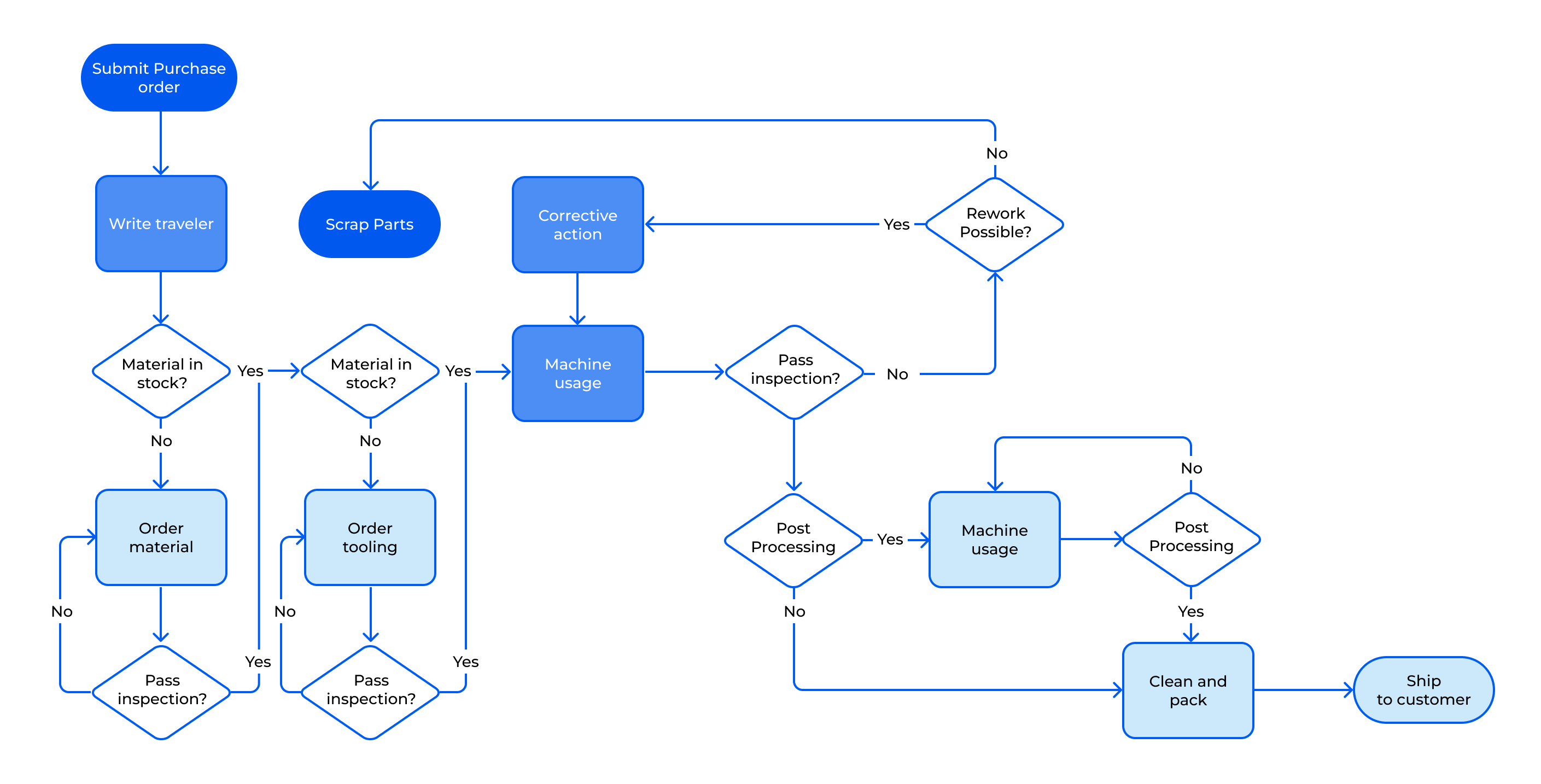
1. Input Definition
Tasks or data enter the system in a standardized format.
2. Process Routing
Each input follows a predefined path based on rules or conditions.
3. Status Tracking
Progress is visible at every stage, reducing the need for manual updates.
4. Output and Review
Results are documented and can be analyzed or improved over time.

Why Predictability Is a Key Feature
Predictability allows organizations to:
- Estimate timelines more accurately
- Identify bottlenecks earlier
- Reduce dependency on individual experience
- Improve coordination across teams
This is why predictability, rather than speed, is often central to iSolve-style approaches.
iSolve and System Thinking
One reason interest in isolve continues to grow is the shift toward system thinking in business operations. Instead of optimizing isolated tasks, organizations focus on:
- End-to-end process performance
- Interdependencies between teams
- Long-term sustainability of workflows
Structured systems make these relationships easier to observe and manage.
Adaptability Without Chaos
A common concern is that structured systems reduce flexibility. In practice, the opposite is often true. Well-designed iSolve-oriented workflows:
- Allow controlled changes
- Preserve historical context
- Prevent accidental disruptions
- Support continuous refinement
Flexibility exists, but it is intentional rather than reactive.
Who Typically Seeks “How It Works” Information
This type of isolve query often comes from:
- Analysts evaluating internal systems
- Managers planning operational improvements
- Teams transitioning from manual workflows
- Organizations standardizing processes
These users value explanation and clarity over promotion.
Conclusion
Understanding how isolve works at a conceptual level helps explain why structured digital operations have become so important. By defining inputs, guiding processes, and maintaining visibility, iSolve-style systems reduce uncertainty and support consistent execution.
Rather than being about tools alone, iSolve represents a way of thinking — one that treats operations as systems designed to be stable, adaptable, and understandable.